
1 Year…
2 Countries…
3 Regions…
All Pinot Noir!
Every year we enthusiastically host a private wine tasting in our home,
created as an auction item for the Hawai‘i Opera Theatre (“HOT”)
annual gala fundrasing event, with wines donated by Andrew’s family.
2025’s selection was an indulgence into 10-year-old Pinot Noir,
a varietal renowned for its ability to showcase the unique characteristics
of its growing region.
This special vintage took us back a decade to 2015, a year France’s
Bourgogne region was blessed by an almost ideal growing season,
and when California had some…challenges…making for an
interesting evening as we explored — and enjoyed — the results.
Why Pinot Noir?
Celebrated for its versatility and easy-to-drink nature, Pinot Noir is particularly sensitive to growing conditions such as soil, sunlight, temperature, rainfall, etc. Some call it the “heartbreak grape” because it’s known to be so difficult to grow. However, when conditions are just right, Pinot Noir can produce wines of extraordinary nuance and depth.
Why France vs California?
Comparing French and California Pinot Noir highlights the influence of climate and winemaking style. French Pinots from the cooler Burgundy region are known for nuanced, earthy flavors, higher acidity and aging potential. Grown in warmer climates, California Pinots tend to be more fruit-forward, bolder, with lower acidity. But note: Occidental’s region tends to be cooler, so will its Pinot be more Burgundian?
Why 2015?
An exceptionally dry and often hot summer following a favorable wet winter made Pinot Noir vines in France very, very happy, prompting one Wine Enthusiast reviewer to gush, “Burgundy hit the jackpot in 2015.” Meanwhile, four years of drought in California plus an early fall translated to low yields but concentrated juice, creating the potential for greater depth and intensity of flavors.
The Wines
Aubert Lefas
Pommard Region (central Bourgogne)
Les Trois Follots Vineyard

For centuries, Pommard has been considered the typical Bourgogne: deep red in color, powerfully aromatic, solid and trustworthy. Typically among the most powerful and tannic of the area, Victor Hugo called it “night in combat with day.” At full maturity, it tends towards leather, chocolate and pepper, with “wild and feline” notes developing with age.
Domaine Pierre Gelin
Côte de Nuits Region (north Bourgogne)
Fixin area vineyards
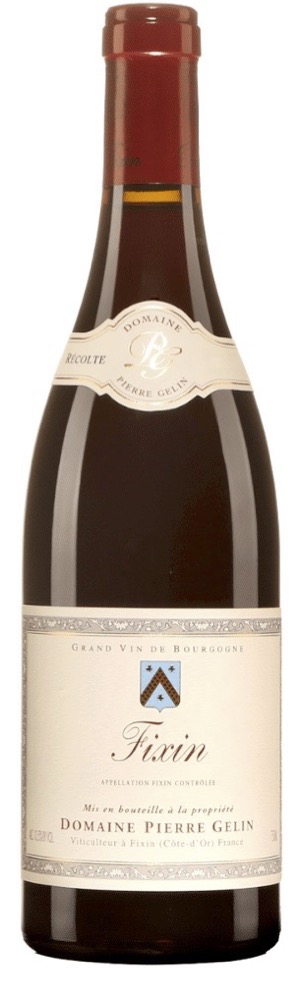
Fixin has a continental climate with dry summers and mild winters. The temperature difference between day and night is significant, which aids grape ripening and sugar content, while the earth is primarily limestone, giving it a dark tint. The majority of the region’s vineyards face east and southeast, maximizing sun exposure. The soil on these slopes drains efficiently, which aids in grape cultivation.
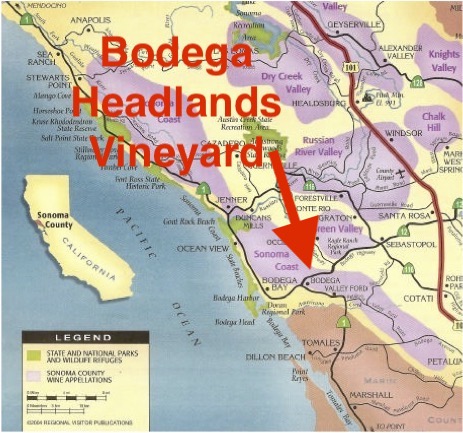
Occidental
Sonoma Coast Region, California
Bodega Headlands Vineyard

Steve Kistler believes the climate and soils on the uplifted marine terraces and ridges around the town of Bodega would be ideal for growing distinctive and Burgundian-style Pinot Noir. Lying in direct sight of the Pacific Ocean called for a more traditional two-cane pruning system to provide protection on the windward side. The Cuvée Elizabeth, named for Steve’s wife, is crafted from select blocks from this site.

Tasting Thoughts
“Burgundy” is the English translation of the French “Bourgogne.” France’s practice of delineating vineyards by their terroir was started by meticulous monks back in medieval times. Today, the Burgundy region sets the historical benchmark for Pinot Noir worldwide.
The Bodega Headlands, where the grapes for our California selection are sourced, is a specific site within a New World region that demonstrates the grape’s potential to produce exceptional, site-specific wines in a different, coastal environment.
What is AOC?
No, not Alexandria Ocasio-Cortez… The Appellation d’Origine Contrôlée (AOC) is France’s wine certification system (later used by Italy to develop their Denominazione di Origine Controllata (DOC) system).
“God made Cabernet.
The Devil made Pinot Noir.”
–Attributed to André Tchelistcheff, renowned California winemaker.
The saying highlights the contrasting reputations of these two popular red wine grapes. Cabernet Sauvignon is known for its relatively predictable and robust nature, while Pinot Noir is notoriously challenging to cultivate and vinify, hence the association with the devil.
(Information and materials sourced from various websites)
 The2Tenors
Leave a comment